

Prime Highlights:
- Samsung’s third-quarter profit more than doubled, showing a strong recovery in its chip and semiconductor business.
- The company regained its top position in the global memory market, marking a major comeback against competitors.
Key Facts:
- Samsung reported an operating profit of 12.2 trillion won ($8.6 billion), higher than the LSEG SmartEstimate of 11.25 trillion won.
- The mobile and network division earned 3.6 trillion won, up 28% from last year, driven by strong smartphone sales.
Background:
Samsung Electronics saw a strong recovery in its third-quarter results, helped by higher chip demand and a rebound in its semiconductor business. The company’s operating profit more than doubled from the previous quarter, beating its own forecast and analyst estimates.
It reported an operating profit of 12.2 trillion won ($8.6 billion), above the LSEG SmartEstimate of 11.25 trillion won. Revenue reached 86.1 trillion won ($60.5 billion), slightly above market expectations of 85.93 trillion won. Compared to a year earlier, Samsung’s revenue rose 8.85%, while operating profit climbed 32.9%.
Samsung’s stock surged nearly 4% in early Asian trading, reflecting investor optimism about the company’s improving performance. The turnaround marks a strong recovery from the previous quarter, which had been hit by a downturn in the chip market. Operating profit jumped 160% and revenue climbed 15.5% from the June quarter.
The revival was largely driven by Samsung’s Device Solutions division, which includes its memory chip and semiconductor foundry businesses. The unit recorded an all-time high in quarterly sales at 33.1 trillion won, up 13% from last year, while operating profit soared 81% to 7 trillion won. The company attributed the growth to higher prices and surging demand for high-bandwidth memory (HBM) chips used in AI servers.
Despite strong competition from SK Hynix, Samsung regained the top position in the global memory market in the third quarter, according to Counterpoint Research. Analysts believe the rebound highlights a broader “memory market boom” and the rising importance of AI computing.
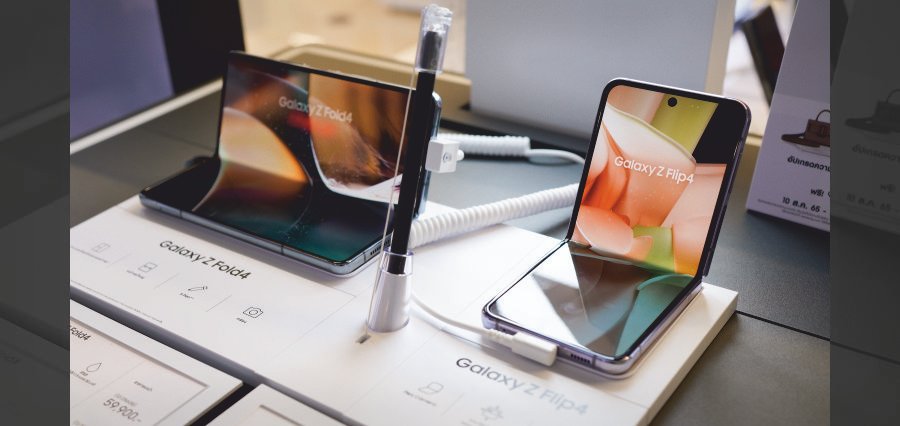
Samsung’s mobile and network division also did well, with an operating profit of 3.6 trillion won, up 28% from last year. The growth came from strong sales of its flagship smartphones, including the Galaxy Z Fold7.
Looking ahead, Samsung expects continued growth driven by rising demand for advanced technology products. “We anticipate ongoing expansion in data center investments as competition to secure AI infrastructure intensifies,” a company executive said during the earnings call.
With new technology changing the semiconductor industry, Samsung’s strong quarter shows steady recovery and growing market leadership.