
Prime Highlights
- Tesla’s Cybercab chief engineer said the 5,000-vehicle permit was always meant as a ceiling, not a real target for the coming year.
- Livery Operators Association’s attorney warned the permits risk oversaturating transportation and worsening congestion in the Golden Triangle.
Key Facts
- The Nevada Transportation Authority approved permits allowing up to 8,000 robotaxis across Tesla, Uber, and Waymo in Clark County.
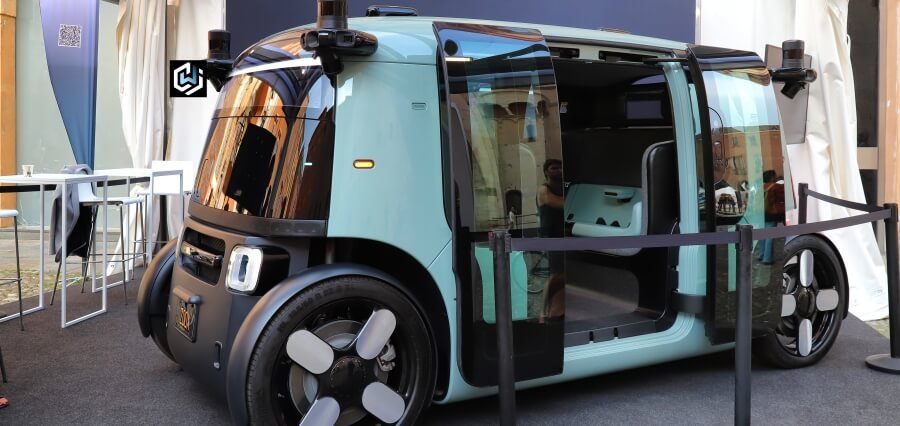
- Uber’s robotaxi permit will be operated through partnerships with Motional and Zoox.
Background
Nevada’s regulators have cleared the way for a major expansion of robotaxi services in Las Vegas. The Nevada Transportation Authority unanimously approved three permits in the third week of August, allowing Tesla, Uber, and Waymo to run commercial robotaxi operations in Clark County. Together, the approvals could put up to 8,000 autonomous vehicles on the county’s roads over the coming year.
Tesla received clearance for up to 5,000 robotaxis, Waymo for 1,000, and Uber for 1,000 vehicles, which it plans to operate through partnerships with Motional and Zoox. Zoox already holds a separate permit allowing it to run 100 robotaxis.
Company representatives suggested the full numbers may not be reached soon. Tesla’s Cybercab chief engineer, Eric Early, said the 5,000 figure had always been a ceiling rather than a target, adding that reaching even half that number within a year would be a strong outcome, and that the limitation was not related to technology.
Even a partial rollout would make Las Vegas one of the most competitive robotaxi markets in the country, with all three companies vying for the same riders. The expansion is also expected to reshape the local workforce, potentially creating new roles to maintain and service the vehicles while reducing demand for human taxi and gig drivers.
Representatives of the Livery Operators Association opposed the permits, with attorney Kimberly Maxson-Rushton warning that the approvals risked oversaturating the transportation industry and worsening congestion in areas like the Golden Triangle, a zone between the airport and the Las Vegas Strip where most autonomous testing has occurred.
Uber, meanwhile, continued pushing for a hybrid model combining human and autonomous drivers on its network.